
General Orthopaedic
Comprehensive treatment for common musculoskeletal conditions affecting daily life and function
What is General Orthopaedic Care?
General orthopaedic care encompasses the diagnosis and treatment of common musculoskeletal conditions that affect people of all ages. Unlike specialized trauma or sports medicine, general orthopaedics focuses on everyday conditions that can significantly impact quality of life, work productivity, and daily activities. Dr. Mahomed provides comprehensive care for a wide range of conditions affecting the hands, wrists, elbows, shoulders, spine, and lower extremities.
These conditions often develop gradually over time due to repetitive use, aging, genetic factors, or underlying medical conditions. Early diagnosis and appropriate treatment can prevent progression and restore normal function, allowing patients to return to their daily activities pain-free.
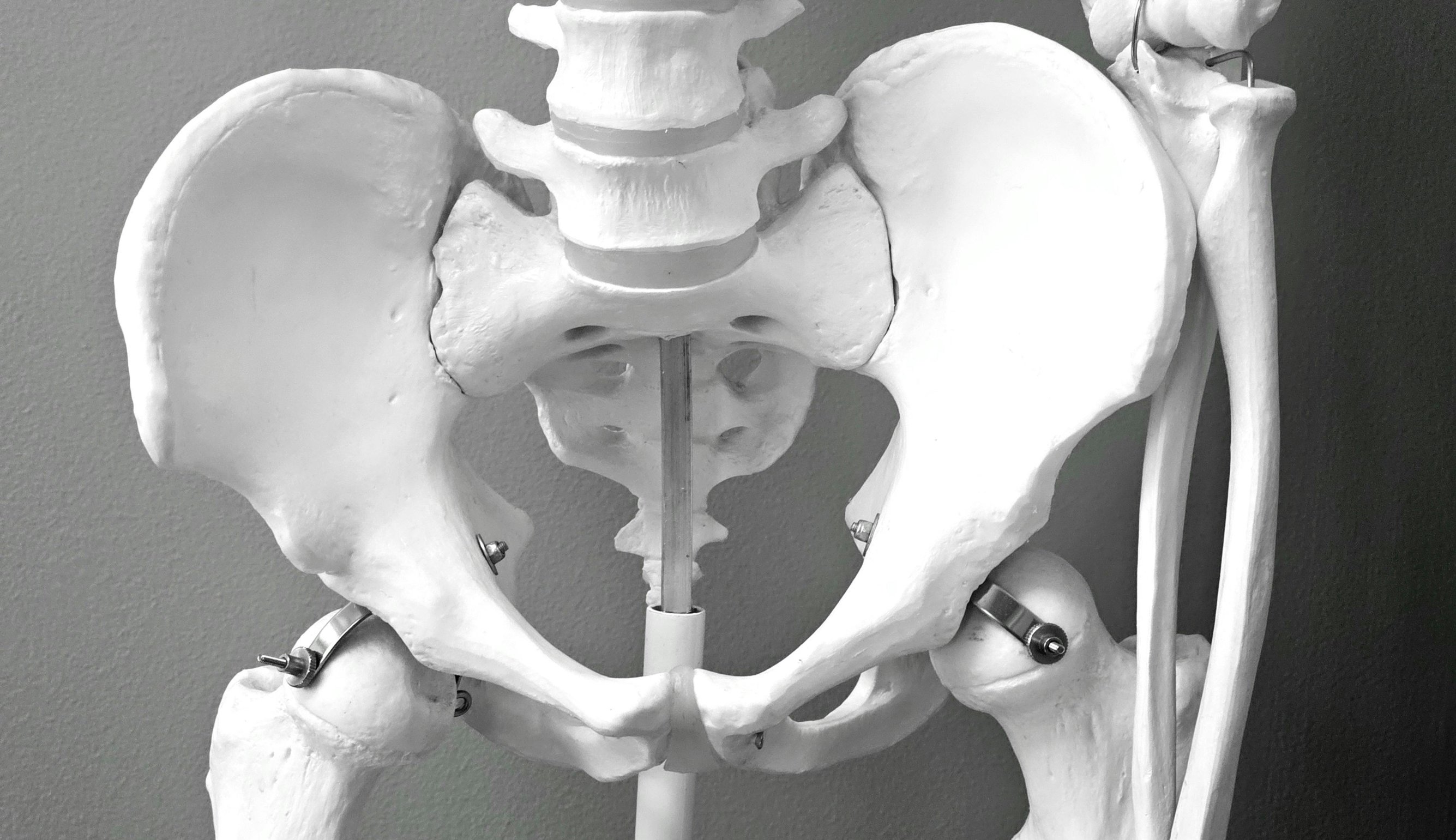
Common Conditions We Treat
Dr. Mahomed treats a comprehensive range of general orthopaedic conditions affecting various parts of the body. Each condition requires specific diagnostic approaches and tailored treatment plans:
Carpal Tunnel Syndrome
Compression of the median nerve in the wrist causing numbness, tingling, and pain in the hand and fingers. Treatment ranges from conservative management to surgical release.
Ganglion Cysts
Fluid-filled lumps that develop near joints or tendons, most commonly on the wrist or hand. Treatment options include observation, aspiration, or surgical removal.
Trigger Finger
Condition where fingers get stuck in a bent position due to inflammation of the tendon sheath. Treatment includes injections, therapy, or minor surgical release.
Tennis & Golfer's Elbow
Overuse injuries causing pain on the outside (tennis elbow) or inside (golfer's elbow) of the elbow. Treatment includes rest, therapy, injections, or surgery for resistant cases.
Dupuytren's Disease
Progressive thickening and shortening of tissue in the palm, causing fingers to curl inward. Treatment options include injections, needle aponeurotomy, or surgical correction.
Thumb Arthritis
Degenerative arthritis at the base of the thumb causing pain and weakness with gripping. Treatment includes splinting, injections, or surgical reconstruction.
Hand and Wrist Conditions
The hand and wrist are complex structures with intricate anatomy that allow for precise movement and function. Common conditions affecting these areas can significantly impact daily activities:
De Quervain's Tenosynovitis
Inflammation of tendons on the thumb side of the wrist, often called "mother's thumb" or "texting thumb." Causes pain with thumb and wrist movement, particularly with gripping and twisting motions.
Wrist Arthritis
Degenerative changes in the wrist joints causing pain, stiffness, and reduced grip strength. Treatment options range from conservative management to joint fusion or replacement.
Cubital Tunnel Syndrome
Compression of the ulnar nerve at the elbow, causing numbness and tingling in the ring and little fingers. May progress to weakness and muscle wasting if untreated.
Mallet Finger
Injury to the tendon that straightens the fingertip, causing the finger to droop. Often occurs from sports injuries or catching the finger on clothing or bedsheets.
Shoulder and Elbow Conditions
The shoulder is the most mobile joint in the body, while the elbow provides precise positioning of the hand. Common conditions affecting these joints can significantly impact arm function:
Frozen Shoulder
Also called adhesive capsulitis, this condition causes progressive stiffness and pain in the shoulder. It typically goes through phases of freezing, frozen, and thawing over 12-24 months.
Shoulder Impingement
Compression of tendons or bursa in the shoulder joint space, causing pain particularly with overhead activities. Treatment includes therapy, injections, or arthroscopic surgery.
Bursitis
Inflammation of fluid-filled sacs that cushion joints, commonly affecting the shoulder, elbow, or hip. Causes pain, swelling, and limited movement in the affected area.
Biceps Tendinitis
Inflammation of the biceps tendon in the shoulder groove, often caused by repetitive overhead activities. May progress to tendon tears if not properly treated.
Treatment Approaches
General orthopaedic conditions often respond well to conservative treatment when diagnosed early. Dr. Mahomed employs a comprehensive approach tailored to each patient's specific condition and lifestyle needs:
- Conservative Management: Rest, activity modification, splinting, and anti-inflammatory medications as first-line treatment
- Physical Therapy: Structured exercise programs to improve strength, flexibility, and function while reducing pain
- Injection Therapy: Steroid injections to reduce inflammation and pain, particularly effective for conditions like carpal tunnel syndrome
- Minimally Invasive Procedures: Small incision techniques for conditions like trigger finger release or ganglion cyst removal
- Surgical Intervention: When conservative measures fail, surgical options are available for most conditions
- Rehabilitation: Post-treatment therapy to restore full function and prevent recurrence
Diagnostic Approach
Accurate diagnosis is crucial for effective treatment of general orthopaedic conditions. Dr. Mahomed uses a systematic approach to identify the underlying problem:
Clinical Examination
Detailed physical examination including assessment of range of motion, strength, sensation, and specific provocative tests to identify the affected structures.
Imaging Studies
X-rays for bone and joint problems, ultrasound for soft tissue conditions, MRI for detailed soft tissue evaluation, and nerve conduction studies for nerve-related symptoms.
Patient History
Understanding the onset, progression, and characteristics of symptoms, as well as work and recreational activities that may contribute to the condition.
Functional Assessment
Evaluation of how the condition affects daily activities, work performance, and quality of life to guide treatment decisions and goals.
Prevention and Lifestyle Modifications
Many general orthopaedic conditions can be prevented or their progression slowed through appropriate lifestyle modifications and workplace ergonomics:
- Ergonomic Workspace: Proper desk setup, keyboard positioning, and frequent breaks for computer users
- Exercise and Stretching: Regular exercises to maintain strength and flexibility, particularly for hands, wrists, and shoulders
- Activity Modification: Avoiding repetitive motions or using proper technique during activities that stress joints
- Early Intervention: Seeking treatment when symptoms first appear rather than waiting for them to worsen
- Weight Management: Maintaining healthy weight to reduce stress on weight-bearing joints
- Proper Tool Use: Using ergonomic tools and equipment to reduce stress on joints during work and recreational activities
Frequently Asked Questions
When should I see a doctor for hand or wrist pain?
You should seek medical attention if pain persists for more than a few days, interferes with daily activities, is accompanied by numbness or tingling, or if you notice visible swelling or deformity. Early treatment often leads to better outcomes with conservative measures.
Will I need surgery for carpal tunnel syndrome?
Not necessarily. Many cases of carpal tunnel syndrome respond well to conservative treatment including splinting, activity modification, and steroid injections. Surgery is typically reserved for severe cases or when conservative treatment fails to provide adequate relief.
How can I prevent repetitive strain injuries?
Take regular breaks from repetitive activities, use proper ergonomics at work, perform stretching exercises, vary your activities to avoid overuse of specific muscles and joints, and seek early treatment for any developing symptoms.
Are steroid injections safe for joint problems?
When administered by experienced physicians, steroid injections are generally safe and effective for reducing inflammation and pain. However, they should be used judiciously as repeated injections may have side effects and are not suitable for all conditions.
How long does recovery take after minor hand surgery?
Recovery time varies by procedure. Simple procedures like trigger finger release may allow return to normal activities within 2-4 weeks, while more complex procedures may require 6-12 weeks for full recovery. Following post-operative instructions is crucial for optimal healing.
Don't Let Pain Limit Your Daily Activities
If you're experiencing pain, stiffness, or functional limitations affecting your hands, wrists, elbows, or shoulders, Dr. Nabeel Mahomed can help. Early diagnosis and treatment of general orthopaedic conditions often leads to better outcomes and faster recovery.
Schedule Your General Orthopaedic Consultation